Your cart is empty
Your cart is currently empty. Let us assist you in finding the right product.


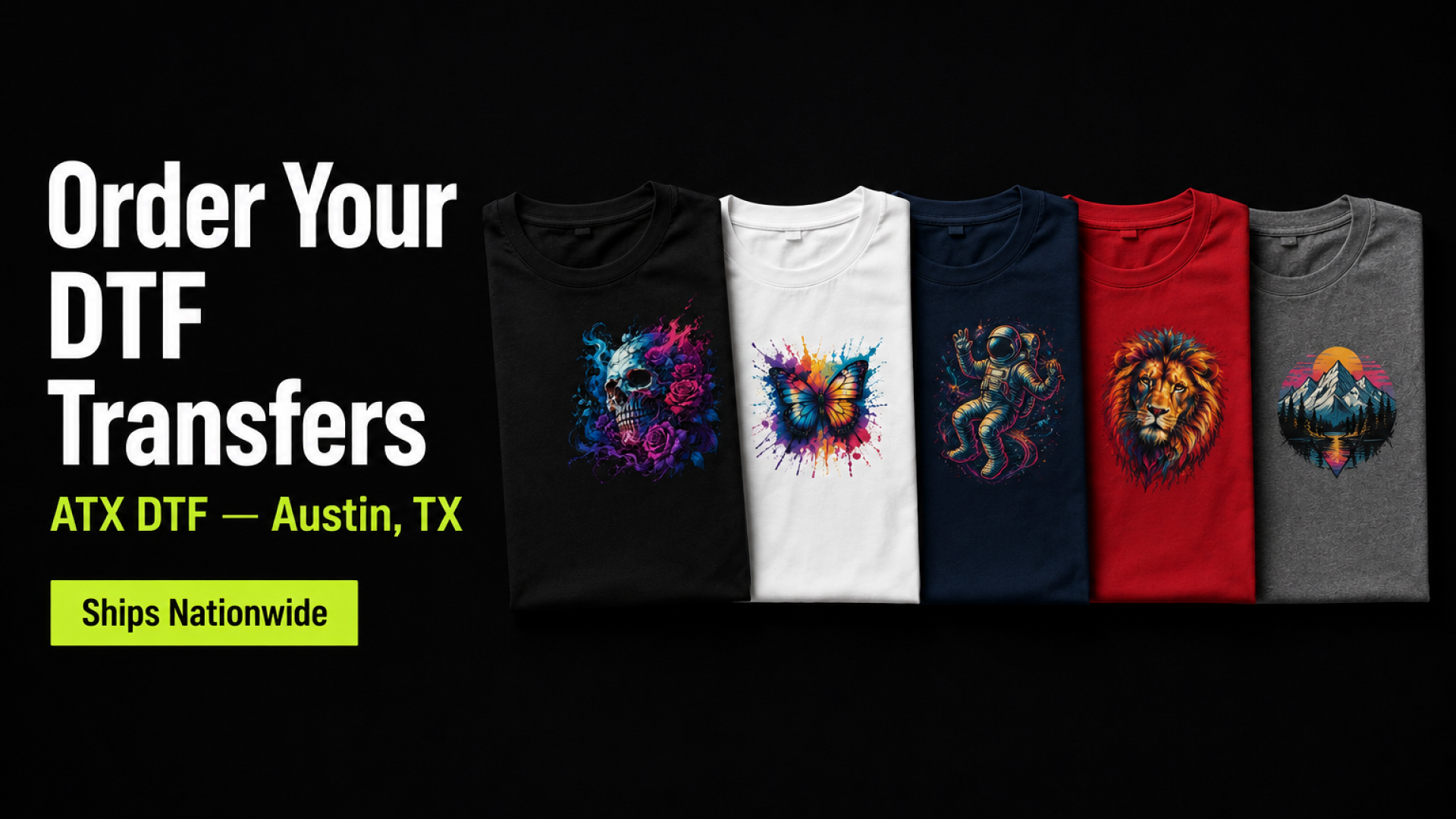

It is a fair question. Nobody wants to hand a customer a shirt that starts peeling after three washes. And if you are ordering DTF transfers regularly for your apparel business, your reputation depends on the answer.
You spent time getting your design right. You ordered your transfers, pressed them onto your garments, and now you want to know: how long is this actually going to hold up?
Here is the straightforward version: DTF transfers last 50 or more washes when they are applied correctly and cared for properly. That number holds up across cotton, polyester, and blended fabrics. With the right heat press settings and basic wash care, your prints should stay sharp, vibrant, and intact for the life of the garment.
But there is more to it than that. A few key factors play a big role in how long your transfers actually hold up in real use. This guide breaks all of it down so you know exactly what to expect.
How Long Do DTF Transfers Actually Last?
The honest answer is: it depends on how they are made and how they are cared for.
Professionally printed DTF transfers, applied at the correct temperature and pressure, routinely hold up for 50 or more washes without cracking, peeling, or significant fading. That is on par with screen printing and better than most heat transfer vinyl options, which tend to show wear after 30 to 50 washes depending on the design complexity and care routine.
What separates a transfer that lasts from one that does not comes down to three things: the quality of the print itself, how it was applied, and how the garment is washed after pressing. Get all three right and your transfers will outlast many of the shirts they are pressed onto.
The DTF process works by printing your design onto a specialized PET film, bonding it with a hot-melt adhesive powder, and transferring it to the fabric with heat and pressure. When that process is done correctly with quality materials, the adhesive fuses with the fabric fibers in a way that does not lift, crack, or fade easily. When any part of that process is rushed or done with inferior materials, the results show up fast.
Not all DTF transfers are made the same way. The quality of the inks and film used during printing has a direct impact on how long the final transfer holds up on the garment.
Professional DTF printers use OEKO-TEX certified water-based inks printed onto premium cold-peel PET film. These materials are formulated for durability and color fastness. The adhesive powder is applied and cured at the correct temperature, which locks the bond before the transfer ever reaches your heat press.
Cheaper transfers, on the other hand, often use lower-grade inks and film. You might not notice the difference on day one, but you will notice it after five or ten washes when the edges start lifting or the colors lose their depth.
When you order from a shop that prints on professional equipment and uses quality materials, you are getting a transfer that is built to last from the start. That is the foundation everything else sits on.
Application is where a lot of transfers fail before they even get a fair chance.
DTF transfers are designed to be applied at 320 degrees Fahrenheit (160 degrees Celsius) with medium to firm pressure for 15 seconds, then peeled cold. That combination of temperature, pressure, and time is what fully activates the adhesive and bonds the design to the fabric.
Under-pressing is one of the most common mistakes. If your heat press is set too low, or if you pull the transfer before the timer is up, the adhesive does not fully activate. The print might look fine at first but will start lifting at the edges after a few washes. Over-pressing can cause the transfer to sink too deep into the fabric, which affects the feel and can lead to cracking over time.
A few practical tips that make a real difference:
Use a Teflon sheet or parchment paper over the transfer during pressing, especially on delicate fabrics.
Always peel cold. Let the transfer cool completely, around 30 to 60 seconds, before removing the carrier film. Peeling warm can pull part of the design with the film.
Give it one more quick press through parchment after peeling for a softer finish and better adhesion at the edges.
Getting your heat press dialed in before you start a production run saves a lot of headaches. If you are pressing on a new fabric type or a new garment, do a test press first and wash it before you commit to a full batch.
DTF transfers work on cotton, polyester, 50/50 blends, nylon, and most other fabric types without pre-treatment. But fabric type does affect how the adhesive bonds and how long that bond holds.
100% cotton tends to give the most consistent results. The fabric fibers are receptive to the adhesive and the transfer bonds evenly across the surface. With correct application and proper wash care, cotton garments with DTF prints regularly hit that 50-wash benchmark.
Polyester and performance fabrics can be a little trickier. The smooth surface of polyester means the adhesive has slightly less texture to grip, which makes correct pressing pressure more important. The good news is that when applied correctly, DTF holds up well on polyester. A lot of athletic wear and activewear is pressed with DTF transfers specifically because of how well it performs on synthetic fabrics.
Blended fabrics fall somewhere in between and are generally very consistent. Most decorators find that 50/50 cotton-polyester blends are among the most forgiving fabric types for DTF printing.
Wash care is the factor most people underestimate. A perfectly pressed transfer on a quality garment can still wear out quickly if it is going through a hot wash and high-heat dryer cycle every week.
Heat is the main culprit. The same heat that bonds the transfer to the fabric during pressing can also start to break down that bond over repeated exposure. Hot water and high-heat drying put stress on the adhesive layer over time, especially at the edges of the design.
The good news is that the care routine that protects DTF transfers is the same care routine that protects most quality garments anyway.

These are the care instructions that make a real difference in long-term durability.
Wash cold. Use cold water every time. Hot water weakens the adhesive bond faster than anything else. Cold water cleans the garment just as effectively for everyday use and adds significant wash cycles to the life of your transfer.
Turn the garment inside out. This reduces friction between the transfer surface and the drum of the washing machine. Less friction means less wear on the edges and surface of the print.
Tumble dry low or air dry. High heat dryers are hard on DTF transfers over time. Tumble dry on low heat or hang the garment to air dry. Air drying is the gentlest option and will extend the life of the print noticeably.
Do not iron directly over the transfer. If you need to iron the garment, turn it inside out or place a pressing cloth over the design. Direct iron contact can cause the transfer surface to scorch or the edges to lift.
Skip the bleach. Bleach and harsh detergents break down both the fabric and the adhesive layer. Stick to a mild detergent and the print will stay cleaner looking for longer.
Do not dry clean. The chemicals used in dry cleaning are not compatible with DTF adhesives.
Following these steps consistently is genuinely the most impactful thing a customer can do to extend the life of their DTF transfers. It is worth including a short care note with orders, especially if you are selling finished garments direct to consumers.
One of the reasons DTF has grown so quickly in the custom apparel industry is because it holds up well compared to the alternatives, especially for short runs and designs with lots of colors or fine detail.
| Printing Method | Avg. Wash Durability | Feel on Fabric | Works on Dark Garments |
|---|---|---|---|
| DTF transfers | 50 or more washes | Soft, flexible | Yes |
| Heat Transfer Vinyl (HTV) | 30 to 50 washes | Stiffer feel | Yes |
| Screen printing | 50 or more washes | Part of the fabric | Limited without extra setup |
| Sublimation | 50 or more washes | Fully embedded | No, light fabrics only |
| DTG printing | 30 to 50 washes | Soft | Requires pre-treatment |
Screen printing and sublimation match DTF on wash durability when done well, but both come with significant limitations. Screen printing requires setup costs and minimum quantities that make it impractical for short runs. Sublimation only works on polyester and light-colored garments. DTG is versatile but struggles on dark garments without pre-treatment and tends to fade faster on polyester blends.
DTF hits a sweet spot. It works on virtually any fabric, light or dark, without pre-treatment or setup fees, and it delivers wash durability that competes with the most established methods in the industry. For decorators doing small to medium runs with complex designs, that combination is hard to beat.
Even a well-pressed, well-cared-for transfer will eventually show wear. Here is what to look for and what it usually means.
Cracking. Fine cracks across the surface of the design, especially in areas of solid color, usually indicate the transfer is aging naturally or was slightly over-pressed at application. A small amount of surface cracking after 40 or 50 washes is normal. Deep cracking earlier than that often points to an application issue.
Edge lifting. If the corners or edges of the design start to curl or lift away from the fabric, it typically means the adhesive bond at the edges was not fully activated during pressing. This can happen from under-pressing, peeling warm instead of cold, or inconsistent pressure at the edges of the platen.
Color fading. Gradual fading over many washes is normal. Rapid fading after just a few washes usually points to lower-quality inks or hot water washing.
Peeling sections. If larger sections of the design start separating from the fabric, the initial application did not fully bond. This is almost always a press issue rather than a print quality issue.
If you are seeing edge lifting or peeling on a freshly pressed garment, re-pressing is often enough to fix it. Place the garment back on the platen, cover with parchment, and press again at the correct settings. This reactivates the adhesive and usually resolves the issue.
Yes, significantly.
The print quality of the transfer is the foundation that everything else builds on. A transfer made with professional equipment, quality inks, and properly cured adhesive is going to outlast a cheaper alternative regardless of how carefully you apply it or wash it.

Professional DTF printing uses OEKO-TEX certified inks that are formulated for color fastness and durability. Premium cold-peel PET film ensures the adhesive layer is uniform and properly bonded before the transfer ever reaches your heat press. Industrial-grade equipment maintains consistent ink coverage and adhesive application across every sheet, every order.
When you order ready-to-press DTF transfers from a shop like ATX DTF, you are getting a product that has already cleared the quality hurdles before it arrives. The film, the inks, the adhesive layer: all of it is done on professional equipment in our Austin, TX shop. What happens next is up to your heat press and your wash routine.
If you are building a gang sheet with multiple designs, our Build a Gang Sheet tool lets you arrange your artwork, pick your size, and get everything printed on one sheet to keep your cost per transfer low. If you have a single design you need at a specific size, Custom DTF Transfers by Size is the most straightforward way to order. And if you already have a print-ready gang sheet file, you can upload it directly and we take it straight to press.
The quality of the print you start with matters. Make sure you are starting with something built to last.
How many washes does a DTF transfer last?
DTF transfers last 50 or more washes when applied correctly at 320 degrees Fahrenheit for 15 seconds with medium pressure and cared for with cold water washing and low-heat drying. Quality of the original print and correct application technique are the two biggest factors in reaching and exceeding that number.
Do DTF transfers crack after washing?
A well-applied DTF transfer should not crack for many washes. If cracking appears early, it is usually a sign that the transfer was under-pressed, the heat press temperature was off, or the garment was washed in hot water repeatedly. Cracking that appears naturally after 40 or 50 washes is normal wear.
Can DTF transfers go in the dryer?
Yes, on low heat. Avoid high heat dryer settings because repeated exposure to high heat weakens the adhesive bond over time. Tumble dry low or air dry for the best results.
Do DTF transfers peel off?
A correctly applied DTF transfer should not peel. Peeling is almost always a press issue: under-pressing, peeling the carrier film while it is still warm, or uneven platen pressure at the edges. If you notice peeling on a fresh press, re-pressing at the correct settings usually fixes it.
How do I know if my DTF transfer was applied correctly?
After pressing and peeling cold, the design should lay flat against the fabric with no lifting edges or bubbling. The colors should look as vibrant as the original design. Run the garment through one cold wash and check again. If the design is still flat, fully adhered, and the edges are clean, the application was correct.
Do DTF transfers work on dark shirts?
Yes. DTF transfers include a white underbase layer as part of the printing process, which means full-color designs print vibrantly on black, navy, and any other dark garment without losing any color accuracy. No separate step or pre-treatment is required.
What is the best way to wash a shirt with a DTF transfer?
Turn the garment inside out, wash cold, and tumble dry low or air dry. Avoid bleach, harsh detergents, hot water, and high-heat drying. These simple steps will noticeably extend the life of the print.

Buy $100.00 more to get free shipping
Your cart is currently empty. Let us assist you in finding the right product.